Customer Support Platform Development
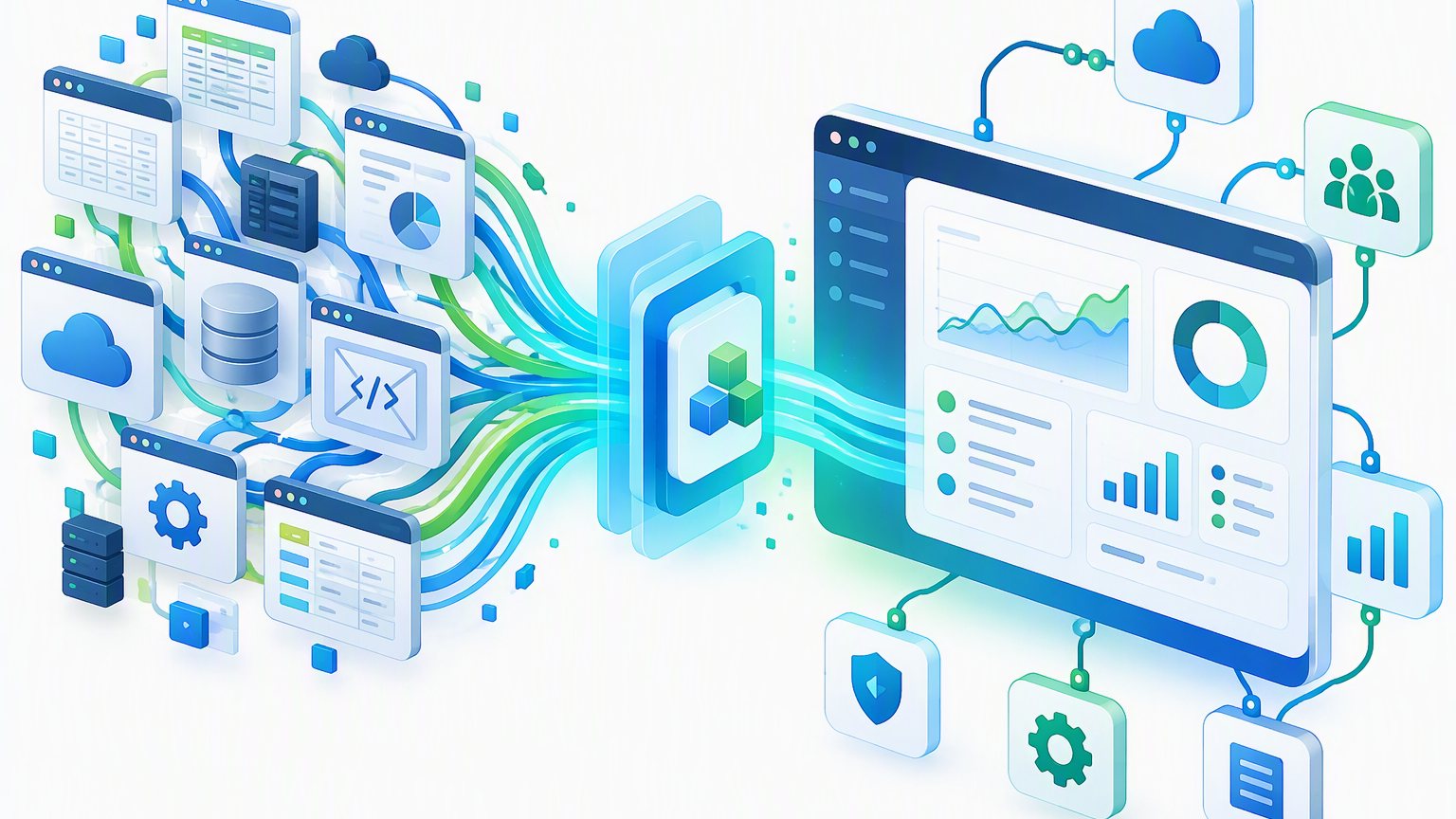
Consolidating approximately ten legacy systems into one operational platform
A major Japanese telecommunications provider wanted to modernize its customer support environment by replacing multiple third-party systems with a unified internal platform.
Ahead Consulting provided project management, business analysis, bridge engineering, and development support. The resulting application consolidated approximately ten systems into a single platform used by more than 300 customer support operators across Japan.
Results at a glance
- Approximately 10 systems consolidated
- More than 300 customer support operators using the platform
- One centralized interface for customer support operations
- Workflows designed around the client’s internal processes
- Improved support for reporting and operational insight
The challenge
The client employed more than 10,000 people and relied on several heavily customized third-party systems to manage its customer support operations.
Operators needed to keep multiple applications open and move between complex workflows that differed from one system to another. Limited training contributed to frequent complaints from employees and high turnover among support operators.
Reliance on third-party platforms also restricted the client’s ability to change functionality as its operational requirements evolved.
The client therefore decided to develop an internal platform that would:
- Consolidate the existing systems
- Simplify operator workflows
- Provide greater control over future development
- Reduce long-term operating costs
- Adapt more effectively to changing business requirements
Our approach
Ahead Consulting joined the initiative after the original project scope and requirements encountered difficulties.
Our five-person specialist team worked with approximately 40 to 50 stakeholders, including business teams, internal developers, and operational leadership.
Ahead’s responsibilities included:
- Project management: Coordinating project activities and maintaining alignment between the technical and business teams
- Requirements redefinition: Reviewing the initial requirements and restructuring them into a realistic product definition
- Business analysis: Working with operational teams to understand customer support workflows
- Bridge engineering: Facilitating communication between business stakeholders and development teams
The solution
The project created a centralized customer support application that integrated with internal systems while replacing several third-party tools.
The platform was designed to serve as the primary operational interface for support staff. Instead of working across multiple separate applications, operators could manage customer interactions through one system.
Ahead’s consultants worked with the business and development teams throughout implementation to ensure that the architecture and functionality reflected actual operational requirements.
The outcome
The platform consolidated approximately ten existing systems into one application designed specifically for the client’s customer support operations.
More than 300 operators across Japan adopted the new platform. The system provided a centralized operational interface, workflows aligned with internal processes, and a stronger foundation for reporting and operational insight.
What this demonstrates
Enterprise software projects require more than technical development. Project management, business analysis, bridge engineering, and direct engagement with users help ensure that a new platform addresses the operational problems it was intended to solve.
Relevant services: Project management, business analysis, bridge engineering, software development, enterprise systems integration